Green Architecture and Its Benefits

- Jan 5 / 2026
- 379
Green architecture is an architectural philosophy that strives to minimize the negative impact of construction on the environment.
The concept of green architecture is becoming increasingly popular as society gains a deeper understanding of human influence on nature. Today, worldwide attention is focused on the harmonious integration of human dwellings with the territories they occupy.
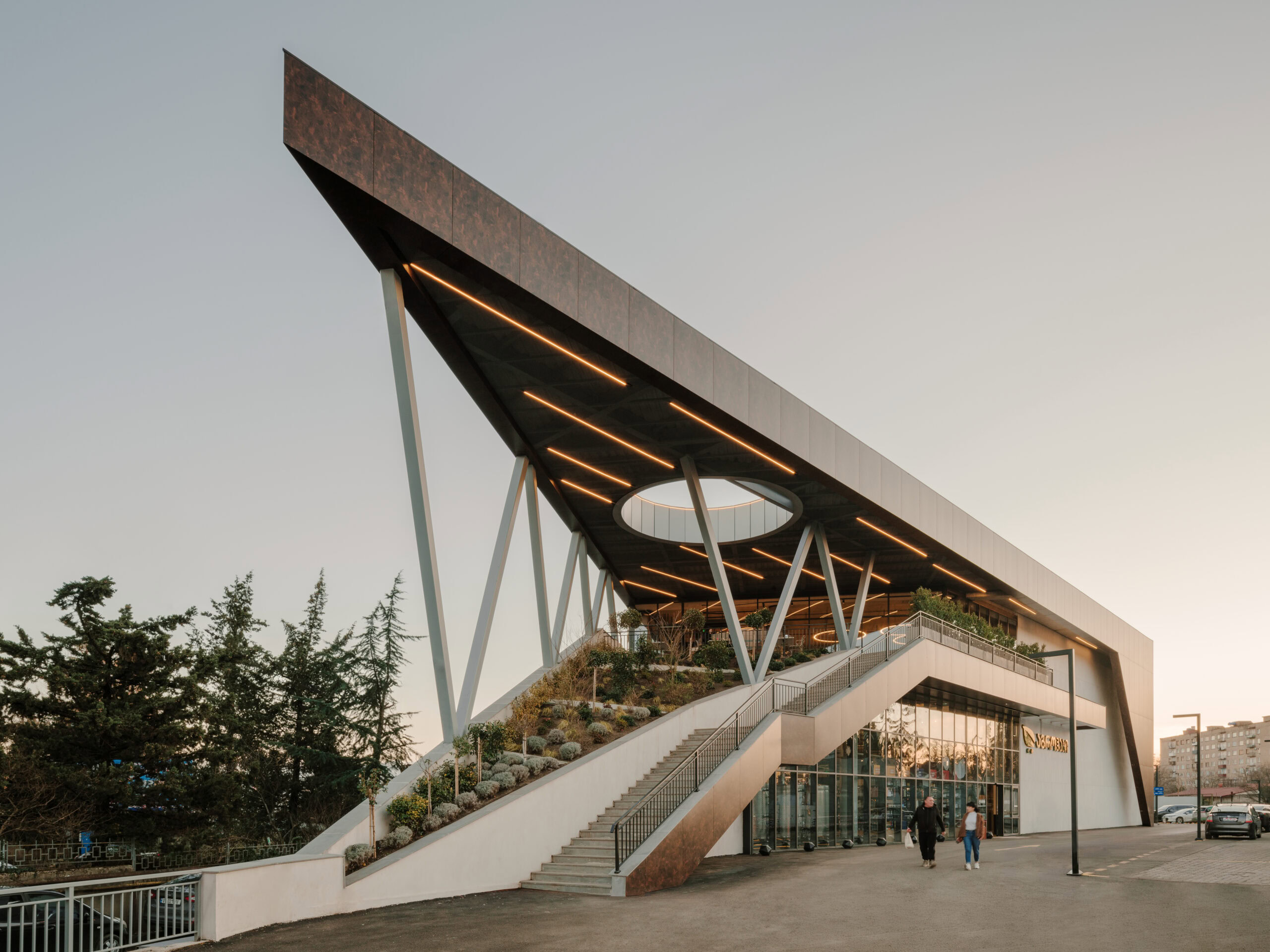
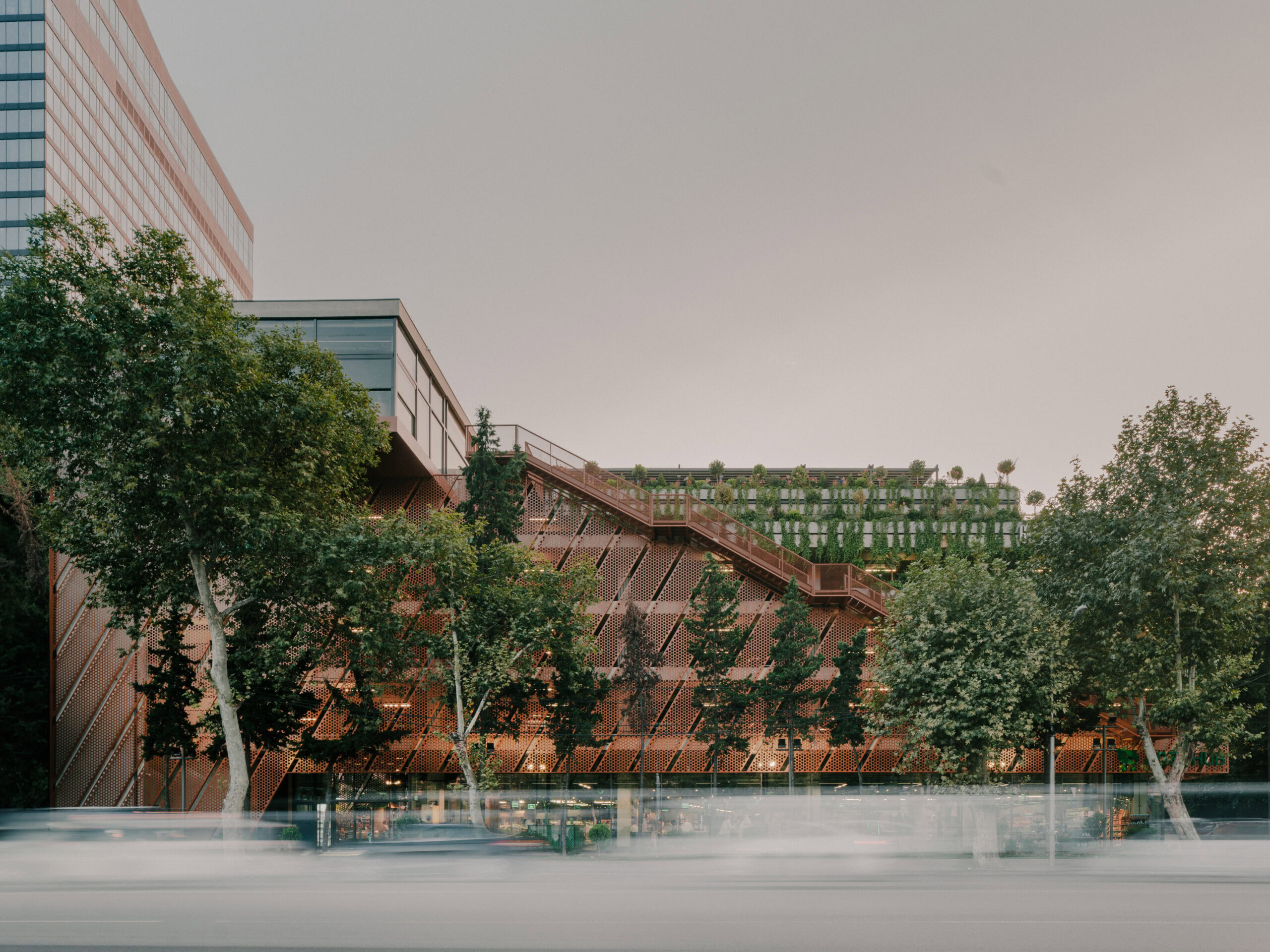
Eco-friendly buildings are constructed with careful consideration of the natural environment and landscape. This involves the preservation and development of recreational spaces, as well as the use of ecologically responsible practices and materials that reduce greenhouse gas emissions.
What is Green Architecture and Why Does It Matter?
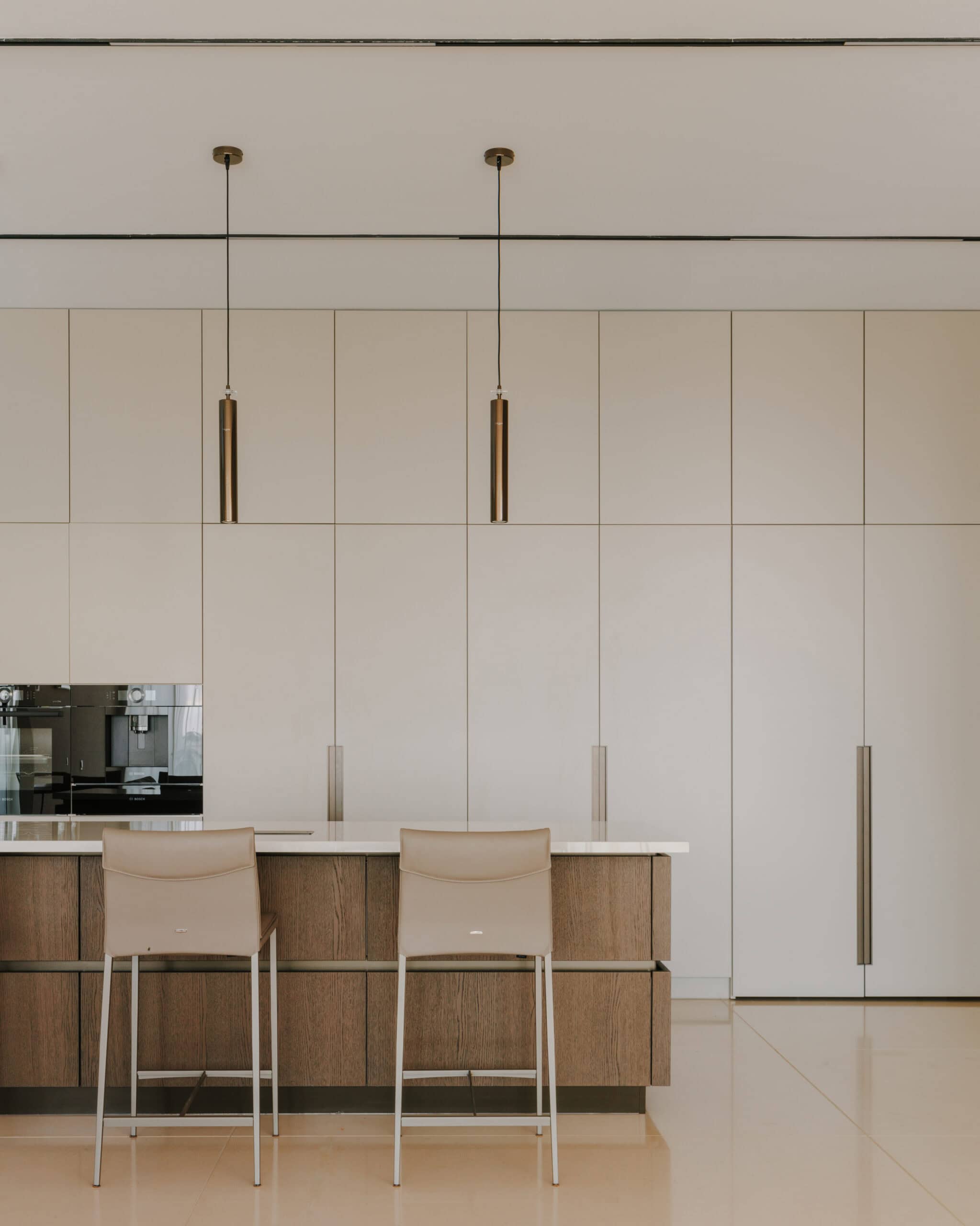
Green architecture is not only vital for the environment, but it also provides direct benefits to the people who live and work within these buildings. An eco-friendly building ensures a healthier, more comfortable living space.
These structures offer superior air quality, abundant natural light, and precise temperature control – factors that enhance overall well-being and productivity. Additionally, green architecture helps reduce building maintenance and operational costs, making it an attractive option for both homebuyers and businesses.
The Core Principles of Green Architecture
To better understand green architecture and its advantages, we must look at the benefits of living in an ecologically clean environment. First and foremost, eco-friendly homes and buildings are significantly more energy-efficient, resulting in lower utility bills for residents.
This efficiency is achieved through design strategies and materials that maximize natural light and minimize heat loss, thereby reducing the energy required for heating.
Furthermore, modern architecture frequently integrates renewable energy sources, such as solar panels, further reducing dependence on non-renewable energy. In many countries, eco-friendly buildings utilize water-saving techniques and materials to conserve vast reserves of water.
Ultimately, green architecture is a crucial strategy for reducing the negative environmental footprint of human activity. With the involvement of specialists, modern interiors can be perfectly adapted to green architectural standards. As environmental awareness grows, we expect to see more buildings designed with ecology and natural spaces at their core.
Landscape Architecture
Landscape architecture is the art and science of designing outdoor spaces, ranging from private gardens and public parks to entire urban environments. Landscape architects are professionals who synthesize knowledge of design, ecology, and engineering to create functional and aesthetically pleasing environments.
Landscape architecture offers several key advantages:
- Enhancing Aesthetic Appeal: A primary goal is to create visually compelling outdoor spaces that highlight the beauty of the natural environment. This is achieved through the strategic use of color, texture, and form, ensuring the structure exists in harmony with nature.
- Improving Quality of Life: Well-designed outdoor spaces have a positive impact on mental and physical health. Access to green spaces is linked to reduced stress levels, improved cognitive function, and increased physical activity.
- Supporting Biodiversity: Landscape architecture promotes the creation of wildlife habitats and the conservation of natural resources.
- Promoting Ecological Sustainability: Professional architects design sustainable outdoor spaces using native plants, green roofs, and other techniques that minimize human impact on the environment.
- Increasing Property Value: A well-designed outdoor space can significantly boost property value. A beautiful garden or outdoor living area is often the deciding factor for interested buyers.
Green Architecture in Georgia
Georgia is steadily adopting global trends, and the demand for green architecture in the country is growing. The premium architectural firm Studio 9 has long been a leader in implementing green architecture, always prioritizing environmental conditions during the design phase.
A multifunctional complex in the Kakheti region, designed by Studio 9, perfectly illustrates the importance of greenery and landscape integration. This complex includes a mini-winery, a restaurant, tasting and conference halls, a 35-room hotel, and commercial spaces. Central to this project was the creation of a vast recreational zone. By employing horizontal design solutions, the building blends seamlessly into the surrounding landscape.
Another significant ongoing project is the “Green School” being built on Mtatsminda in Tbilisi. The project is authored by Mamuka Chkhaidze, the founder and lead architect of Studio 9. For Studio 9, it is vital to support institutions that teach future generations to love nature and raise ecological awareness.
Conclusion
When searching for an architectural firm, it is crucial to find a team that operates across multiple disciplines. Architectural services involve much more than just building a structure; they include pre-project research, urban planning reports, documentation, and expert consultancy.
Interior and exterior design must never be overlooked. Studio 9 has been active in all these directions for over 10 years, designing numerous residential complexes, hotels, and restaurants both in Georgia and abroad. Ultimately, we can confidently say that green architecture is the architecture of the future.